MINISTRY OF INDUSTRY AND TRADE IMPOSES ANTI-DUMPING DUTIES ON CERAMIC AND PORCELAIN TILES FROM INDIA
On September 7, 2026, the Ministry of Industry and Trade issued Decision No. 2174/QĐ-BCT, imposing definitive anti-dumping duties on certain ceramic and porcelain tiles originating in India. The duties range from 5.55% to 45.30%, depending on the producer and exporter.
Investigation finds that Indian imports were dumped
The Ministry of Industry and Trade said that, in investigating the case under the Law on Foreign Trade Management, it worked with relevant agencies to assess the effects of the imports on Vietnam’s domestic industry, as well as the extent of dumping by Indian producers and exporters.
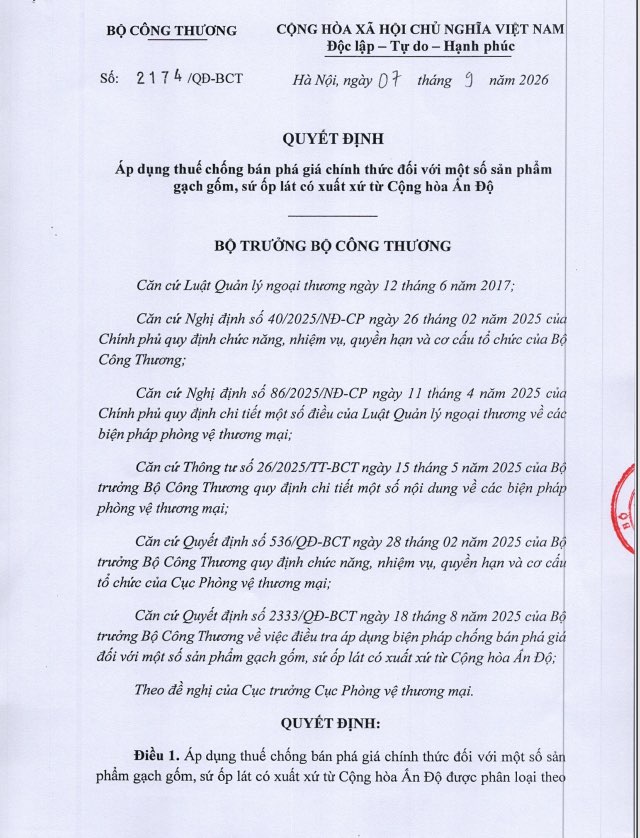
The investigation’s final findings concluded that the imports under investigation from India had been dumped. It also found clear evidence that these imports threatened to cause material injury to Vietnam’s domestic industry, and that the dumping was the main cause of that threat.
Under the notice accompanying Decision No. 2174/QĐ-BCT, the duties apply to certain ceramic and porcelain tiles from India made from clay and/or other inorganic materials and fired at high temperatures, whether glazed or unglazed.
The products are fired at temperatures below 1,500°C and have water absorption of no more than 0.5% by weight, regardless of thickness or size. They include wall tiles, floor tiles, paving tiles and similar products.
The Ministry said the duties may be reviewed and adjusted if an interested party submits a request in accordance with the law. Such reviews are intended to ensure that the measure applies to the right products, at the appropriate rate and for a reasonable period.
Distributors face a closer look at costs and after-sales risks
According to Construction Newspaper, when the first shipments of Indian tiles arrived in Vietnam in 2017, T.H. Company was among the first businesses to import them. Initially positioned in the premium segment at around VND 1 million per square meter, the tiles saw prices fall by as much as 60% within a few years, as more Indian companies entered the Vietnamese market.
Distributors said fierce competition among Indian suppliers drove prices sharply lower, forcing many businesses to sell at or below cost to gain market share. The steep price decline also coincided with the emergence of a series of quality concerns.
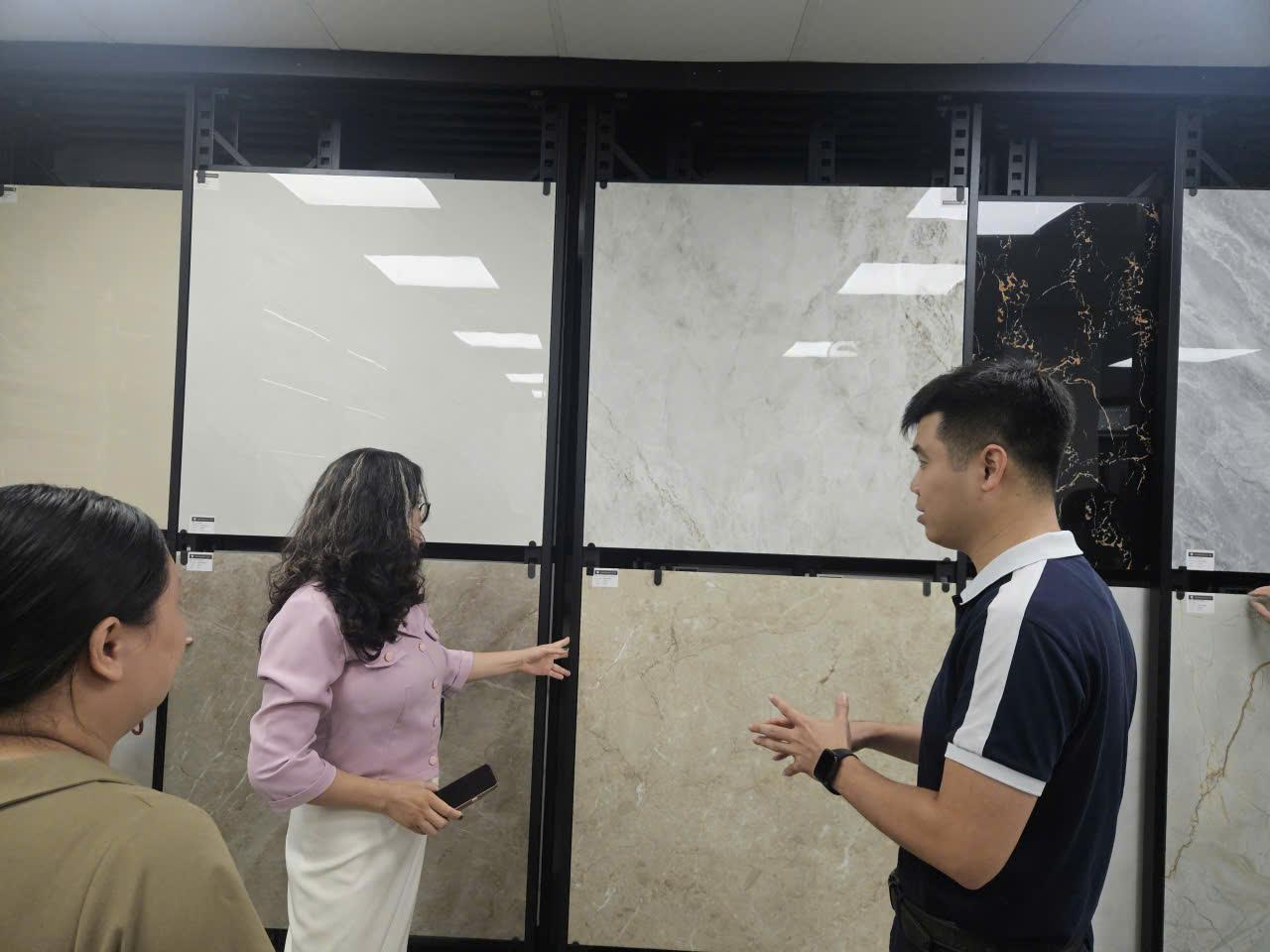
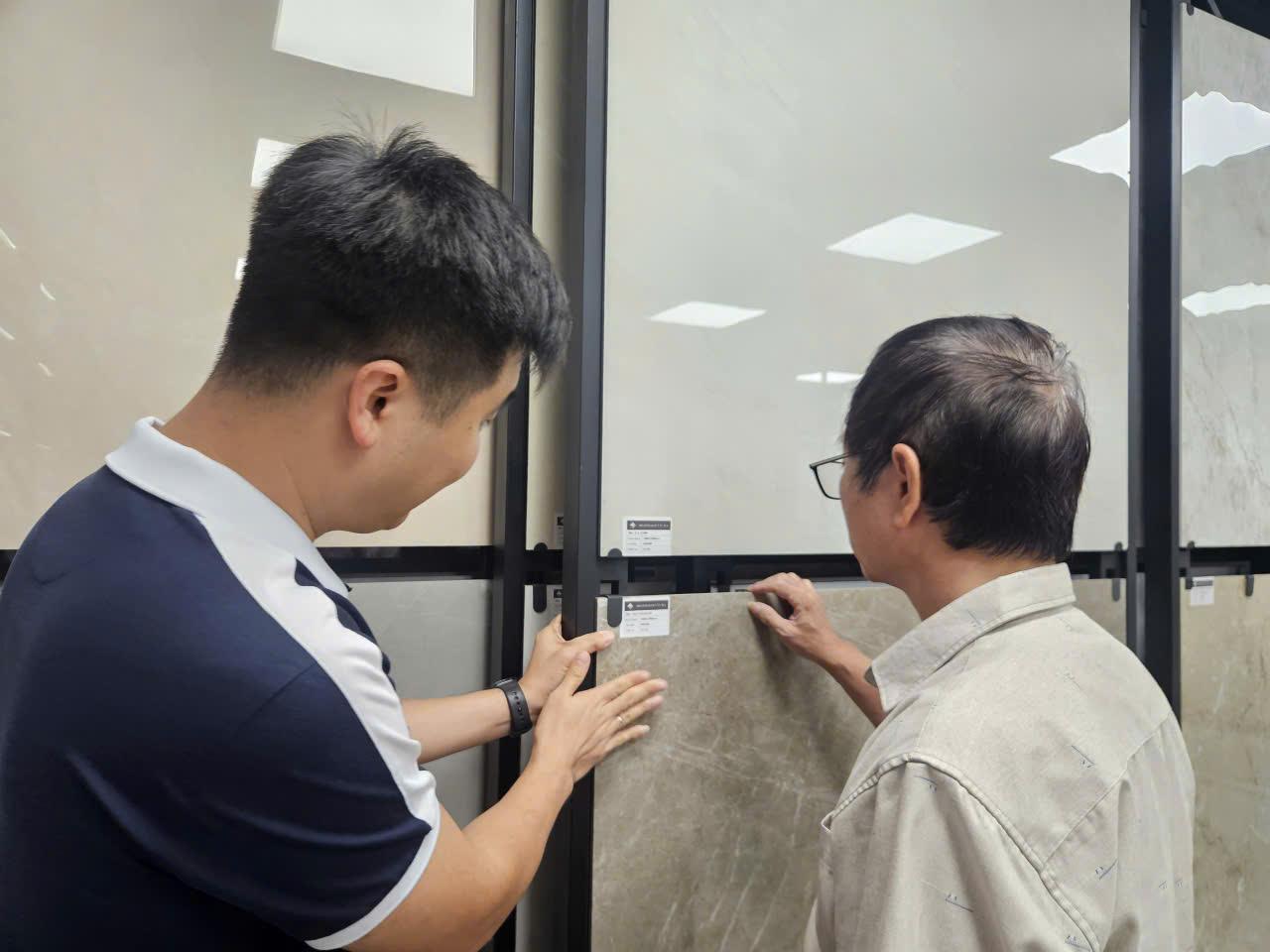
Mr. D.T., Director of T.H. Company, said many customers had reported problems after installing Indian-imported tiles, including defects during installation and use. These issues increased costs and directly affected the quality of completed projects.
Some of the most common problems involved the tile body, which can be difficult to assess visually before installation. Many products reportedly had water absorption above the standard for porcelain tiles, while brittle bodies led to cutting, drilling and grinding losses as much as twice those of domestically produced products.
Vietnamese tiles typically have a wastage rate of around 5–7%. For some Indian imports, that figure can reach 10–15%. A thin glaze layer can also leave tiles prone to scratches, fading and staining after just one or two years of use.
Customers are not the only ones bearing the cost. Distributors also take on much of the after-sales risk. “With limited resources, we can inspect the first shipments very carefully, but we cannot check 100% of every shipment that follows,” Mr. D.T. said.
The risks are compounded by the fact that many intermediary suppliers have no technical representative or warranty entity in Vietnam. When customers report quality problems or technical failures, local distributors may be left to cover the costs of compensation, removal and reinstallation themselves—taking a heavy financial hit and risking the reputations they have worked hard to build.
Import pressure weighs on domestic manufacturers
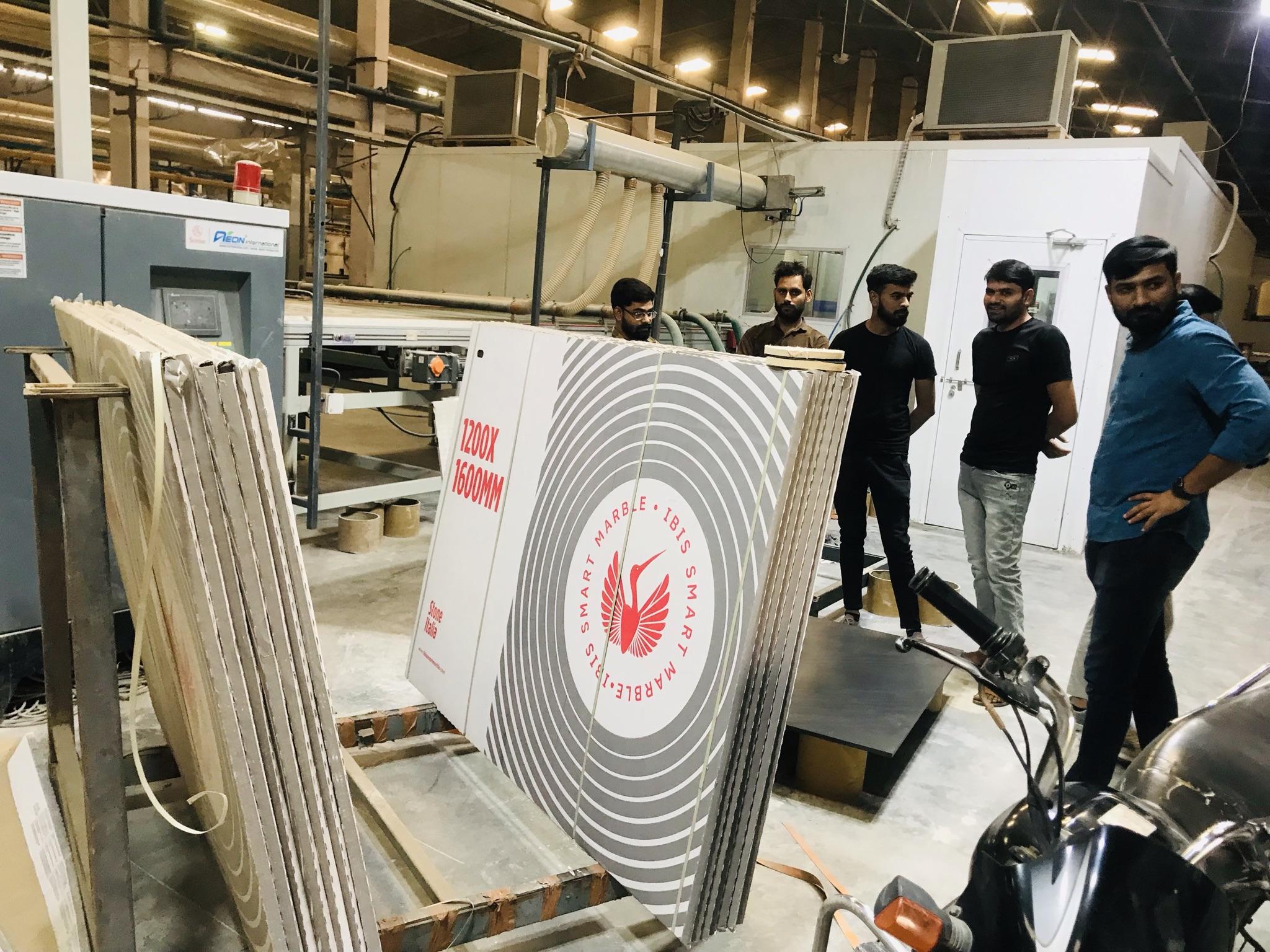
According to figures from the Vietnam Building Ceramic Association, India’s tile industry has production capacity exceeding 2.6 billion square meters a year. It is also facing oversupply as major markets, including the United States and the Middle East, continue to impose trade defense measures. To ease pressure from excess inventories, Indian tile exports have increasingly flowed into Vietnam, where the preferential import tariff is just 5%.
In 2021, tile imports from India stood at around 3 million square meters. By 2026, they had climbed 3.5 times to nearly 11.5 million square meters, worth more than US$73 million.
Indian products’ share of total tile imports rose from 22% to 60%; more than 95% of those imports were large-format tiles.
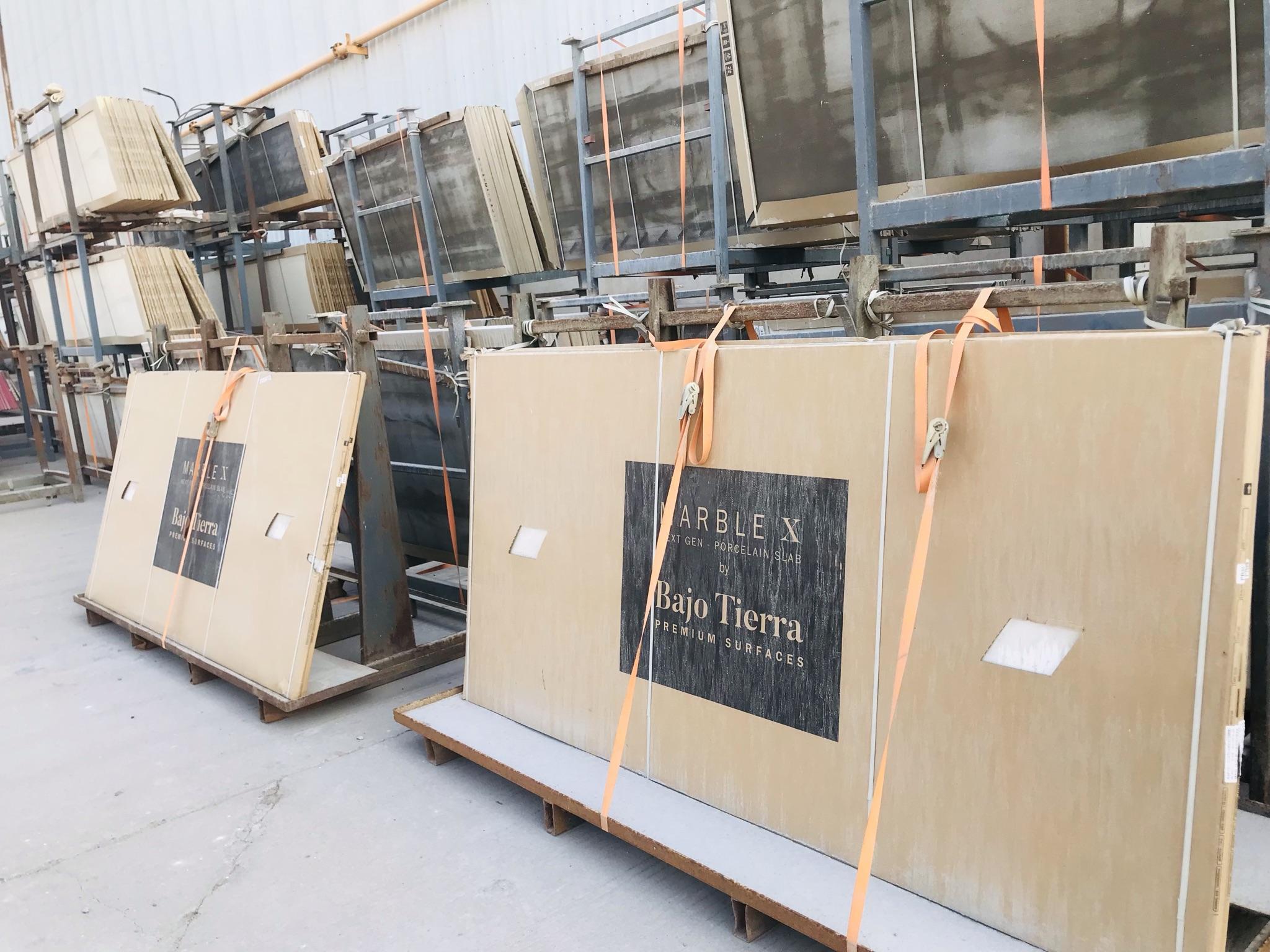
The impact extends beyond import volumes. According to the Vietnam Building Ceramic Association, below-cost competition has pushed capacity utilization across the domestic tile industry down to around 50%. Inventories have risen by more than 30%, while new investment has fallen by nearly 58%.
Vietnamese manufacturers have invested in modern production lines and equipment from Germany and Italy, with products made to international standards. But sustained pressure from unfair competition could erode their ability to reinvest, upgrade technology and expand production over time.
Duties vary by company, reaching 45.30%
Following a review of the petition and an independent investigation under the Law on Foreign Trade Management, the Ministry of Industry and Trade issued Decision No. 2174/QĐ-BCT. It confirmed the existence of dumping, the threat of material injury to Vietnam’s domestic tile industry and a direct causal link between the two.
The definitive duties cover ceramic and porcelain tiles from India classified under eight HS codes: 6907.21.21, 6907.21.22, 6907.21.23, 6907.21.24, 6907.21.91, 6907.21.92, 6907.21.93 and 6907.21.94.
Rates are differentiated according to the investigation’s findings for each group of Indian producers and exporters.
For companies selected in the investigation sample, the rates reflect their individual dumping margins. Rock Granito LLP is subject to a rate of 5.55%, while Rollza Granito LLP and Rollstar Granito LLP are subject to 22.27%.
A rate of 45.30% applies to four producers: Vetican Granito LLP, Veritaas Granito LLP, Pioneer Ceramic Industries and Rollzet Granito LLP. A common rate of 18.29% applies to 41 producers and exporters that were not selected for the sample but cooperated fully by submitting responses to the investigation questionnaire.
The 45.30% rate also applies to all other Indian producers and exporters.
Customs checks on origin and manufacturer certificates
The decision takes effect 15 days after issuance and remains in force for five years. It also introduces a three-step customs verification process for certificates of origin and manufacturer-issued quality certificates, providing a stricter mechanism to prevent fraud and the evasion of trade defense duties.
To determine whether an import is subject to anti-dumping duties, customs authorities will check its certificate of origin and the manufacturer’s quality certificate.
Proof of origin may take the form of a Certificate of Origin (C/O) or a self-certification of origin that complies with the agreements specified in the notice.
A manufacturer’s quality certificate is a document issued by the manufacturer to confirm that a product meets certain quality standards. The Ministry of Industry and Trade has provided customs authorities with the certificate samples submitted by the relevant companies as a basis for verification.
The verification process has three steps:
Step 1: Check proof of origin. If the customs declarant cannot provide proof of origin, the goods are subject to the 45.30% anti-dumping duty.
If the declarant provides proof of origin from a country or territory other than India, no anti-dumping duty applies.
If the proof of origin identifies India, customs proceeds to Step 2: verification of the manufacturer’s certificate.
Step 2: Check the manufacturer’s certificate. The 45.30% duty applies to goods originating in India if the declarant cannot provide the certificate; if the company named on it does not match a company listed in Column 1, Section 3 of the notice; or if the certificate differs from the sample provided by the relevant company.
If the certificate matches the sample and the company name corresponds to the company listed in Column 1, Section 3, customs proceeds to Step 3: verification of the exporter’s name.
Step 3: Check the exporter’s name. Based on the sales contract and commercial invoice, if the exporter’s name matches a company listed in Column 1, Section 3, or the corresponding company in the same row of Column 2, the applicable rate is the one specified in the notice.
If the exporter’s name does not match either listing, the goods originating in India are subject to the 45.30% duty.
Decision No. 2174/QĐ-BCT takes effect 15 days after issuance and remains in force for five years. Its three-step customs checks of origin documents and manufacturer-issued quality certificates are designed to strengthen controls and prevent fraud or the evasion of trade defense measures.
The decision provides a key mechanism for restoring fair competition, protecting the value chain and safeguarding the legitimate interests of businesses across the market. Tighter oversight can help screen out goods of unclear origin, create fairer conditions for legitimate importers and reinforce the capacity of domestic manufacturers.
As a major player in Vietnam’s building materials industry, Viglacera Corporation – JSC continues to invest in advanced technologies, including large-scale sintered stone production lines, energy-optimized firing technology and antibacterial surface solutions designed to support healthier living. A level playing field gives Viglacera added impetus to develop its green materials ecosystem, meet the demanding requirements of landmark projects and build lasting partnerships with customers nationwide.
RELATED ARTICLES
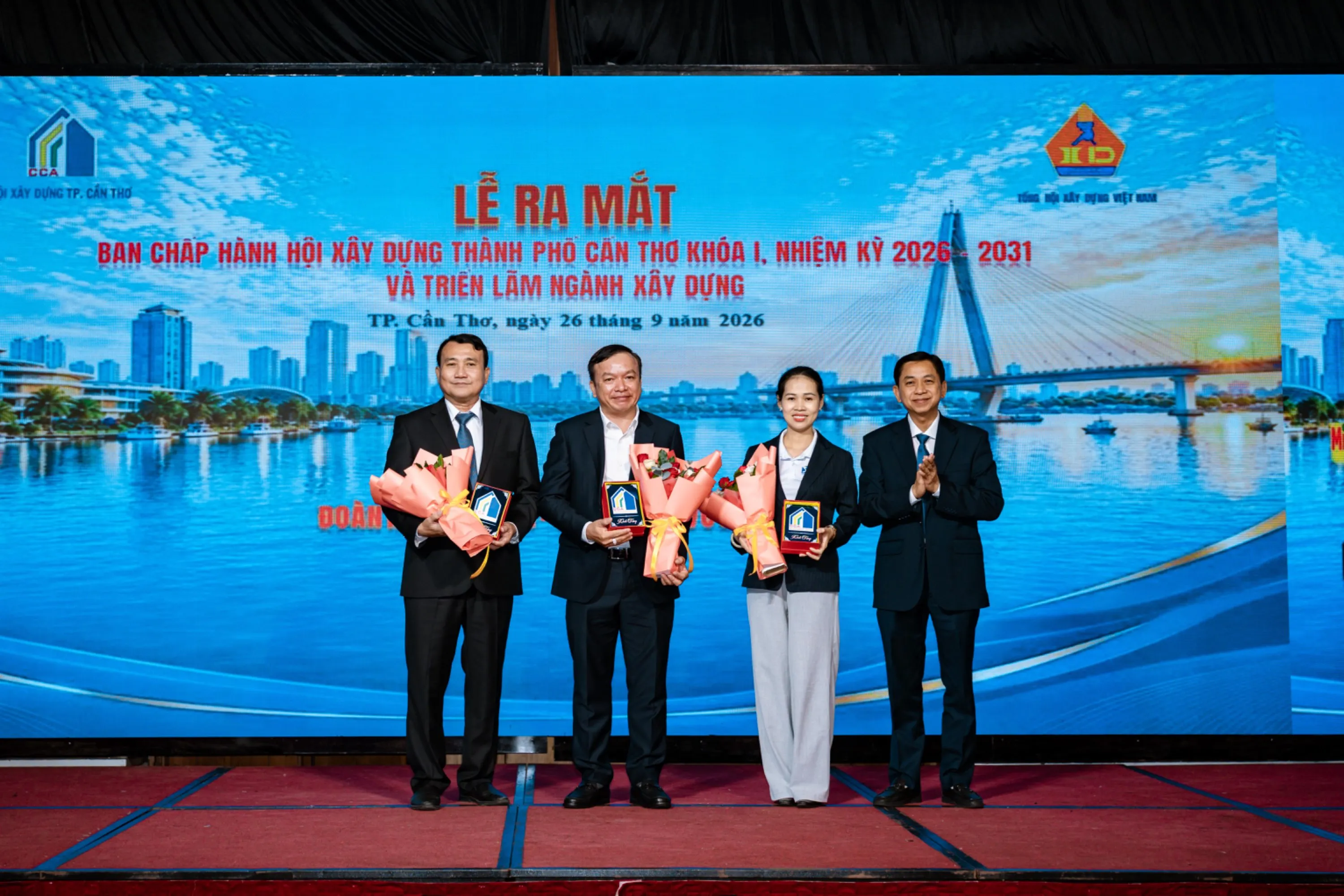
VIGLACERA SUPPORTS THE CANTHO CITY CONSTRUCTION ASSOCIATION: UNITING THE CONSTRUCTION INDUSTRY TO HELP SHAPE THE FUTURE OF THE MEKONG DELTA
On September 26, 2026, Viglacera Corporation – JSC supported the launch ceremony of the 1st Executive Committee of the Cantho City Construction Association (2026–2031 term) and the Construction Industry Exhibition. The event marked a milestone in the merger of three construction associations in the Mekong Delta, while reaffirming Viglacera’s commitment to strengthening partnerships and providing a comprehensive “from foundation to roof” ecosystem of green building materials to support the region’s sustainable development.

VIGLACERA RECOGNIZED AS A VIETNAM NATIONAL BRAND FOR THE EIGHTH TIME: FROM PRODUCT VALUE TO THE STRENGTH OF A VIETNAMESE BRAND
The Ministry of Industry and Trade’s Decision No. 2136/QĐ-BCT has officially recognized the products selected for the Vietnam National Brand Program in 2026. For the eighth consecutive time, Viglacera Corporation – JSC has been named in the Government’s most prestigious brand program. This milestone reflects more than repeated recognition: it is an endorsement of the company’s achievements and a testament to its dedicated, determined and sustained efforts to build its capabilities from within.
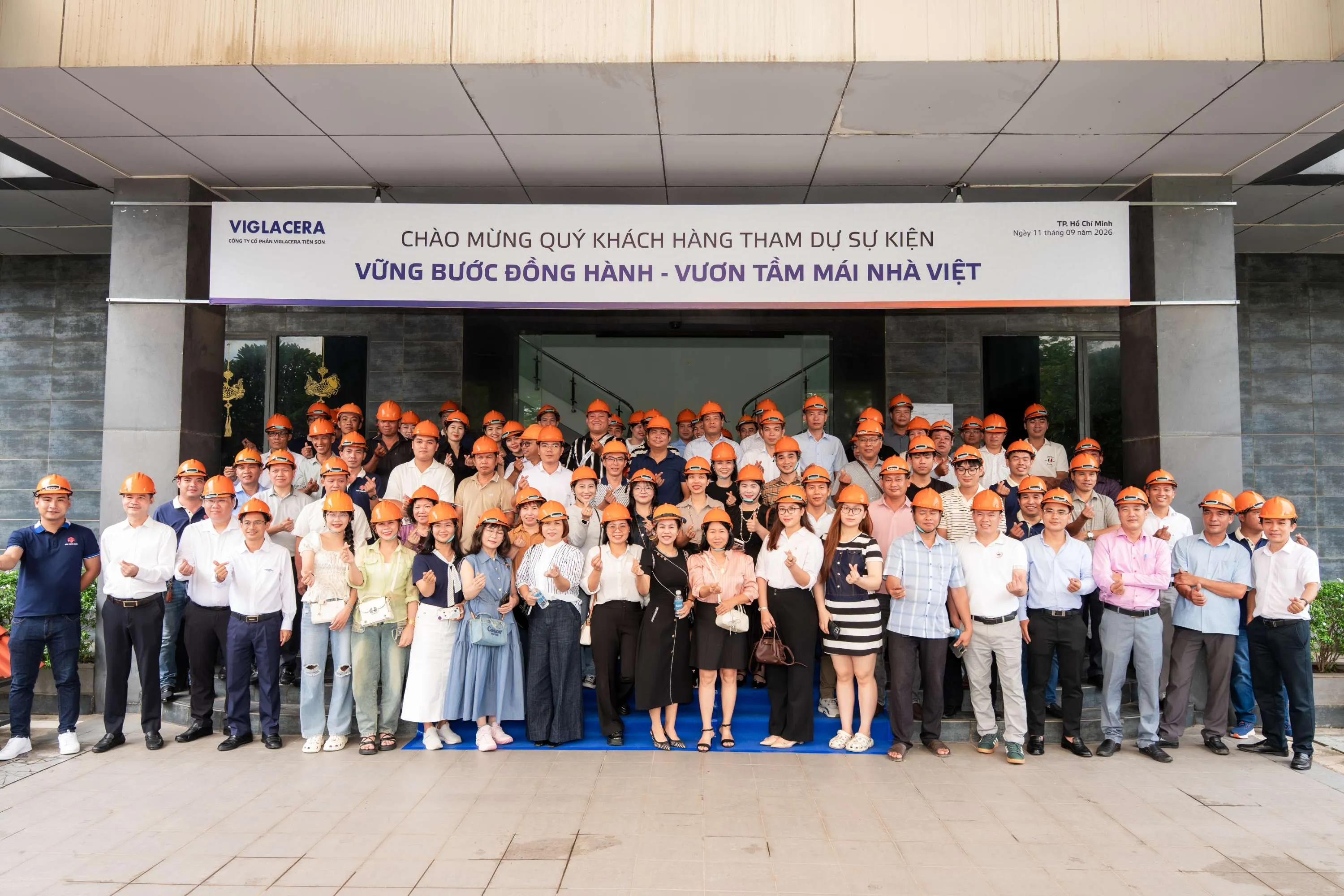
VIGLACERA TIEN SON STRENGTHENS ITS ROOF TILE DEALER NETWORK, ADDING VALUE TO EVERY VIETNAMESE HOME
Building material products earn their place in the market when the quality achieved at the factory becomes a source of customer trust. In that journey, dealers do more than distribute products: they advise customers, stand behind product value and bring the brand closer to every construction project.

VIGLACERA TIEN SON RENEWS ITS PARTNERSHIP WITH THE VIETNAM ASSOCIATION OF ARCHITECTS TO HELP SHAPE THE FUTURE
The 11th National Congress of the Vietnam Association of Architects, for the 2026–2031 term, and the Vietnam Architecture Exhibition took place in Hanoi from September 9 to 10, 2026, bringing together nearly 700 delegates and guests. Viglacera Tien Son Joint Stock Company joined the event, renewing its long-standing partnership with the Association and engaging with the ideas shaping the next chapter of Vietnamese architecture and construction.
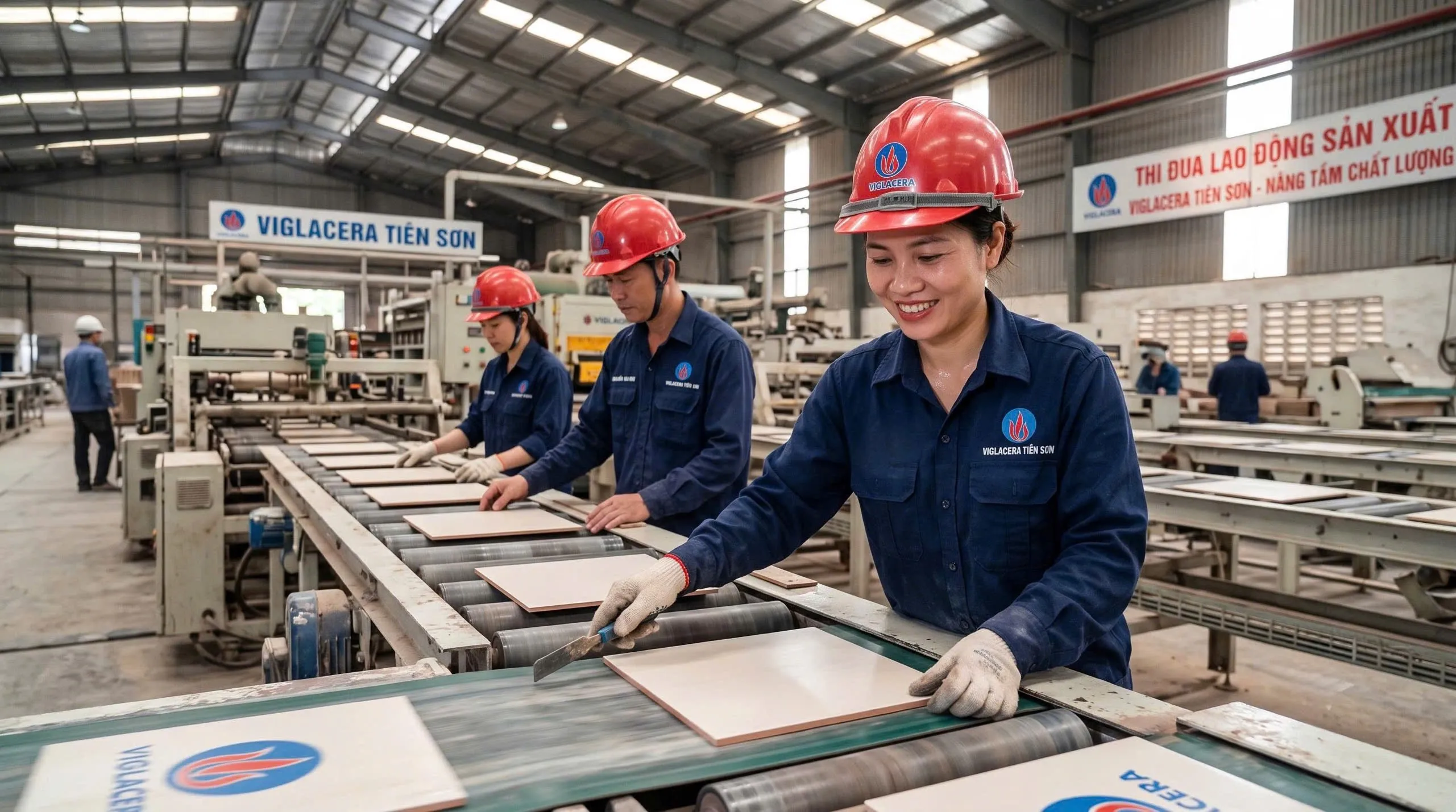
VIGLACERA TIEN SON INTRODUCES ITS “CODE OF CONDUCT AND BEHAVIORAL STANDARDS”: SHAPING CULTURE, UNITING PEOPLE AND BUILDING A SUSTAINABLE FUTURE
On August 26, 2026, Viglacera Tien Son Joint Stock Company officially introduced its “Code of Conduct and Behavioral Standards,” applicable company-wide. The initiative marks an important step in shaping the company’s culture and building a disciplined, professional and united workforce with a shared commitment to sustainable growth.