THE REAL VALUE OF NEXT-GENERATION TILES: BIGGER FOR A DISTINCTIVE LOOK, MORE PRECISE TO LEAD THE WAY
Vietnam’s tile market is entering a period of rapid growth, with thousands of designs, sizes and product types available. From ceramic, porcelain, granite and semi-porcelain to sintered stone, consumers have an ever-wider range of options for their homes.
Yet this variety can also create an “information maze,” where people often judge products mainly by their appearance, price or brand. The true quality of a tile, however, depends on less visible factors: its body structure, water absorption, load-bearing capacity, flatness, glazing technology and forming process.
In other words, behind an attractive tile is a process built on materials research and mastery of technology.
Where tilemakers once competed mainly on production capacity and the number of designs they offered, the focus has now shifted to innovation and investment in technology. Changing trends in modern architecture are raising expectations for finishing materials: larger sizes, fewer grout lines and more realistic surfaces, alongside the durability and stability needed for everyday use.
Meeting these expectations makes technology a decisive factor.
As tile sizes increase, so do the technical demands. A 120 × 120 cm tile is not simply larger in area; it also requires precise control over flatness, consistency and stability. Even a small deviation can affect installation and the overall appearance of a project.
That is why leading tile manufacturers around the world are investing in next-generation production lines. One notable technology is SACMI Continua+, a continuous forming technology developed in Italy.
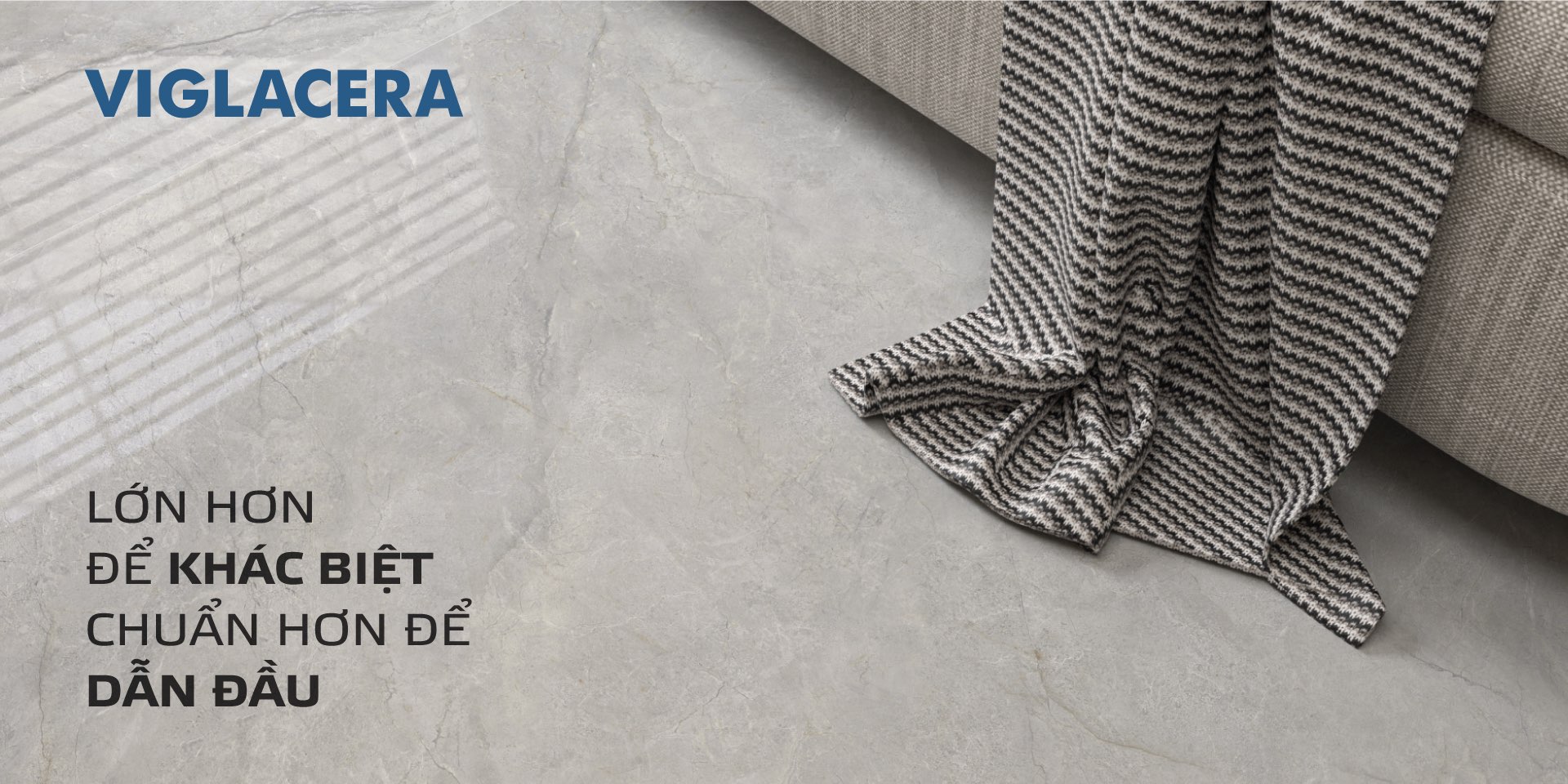
Unlike traditional pressing methods, Continua+ distributes raw materials more evenly throughout the forming process, helping improve dimensional stability, flatness and surface quality. These characteristics may be difficult to spot with the naked eye, but they play a decisive role in installation quality and a building’s longevity.
From an industry perspective, the value of technology lies not simply in making larger tiles, but in producing tiles that are more precise and consistent, with a wider range of applications.
Building on this technology, Viglacera Tien Son continues to introduce a new generation of products, including 120 × 120 cm large-format tiles and 60 × 120 cm wood-look tiles.
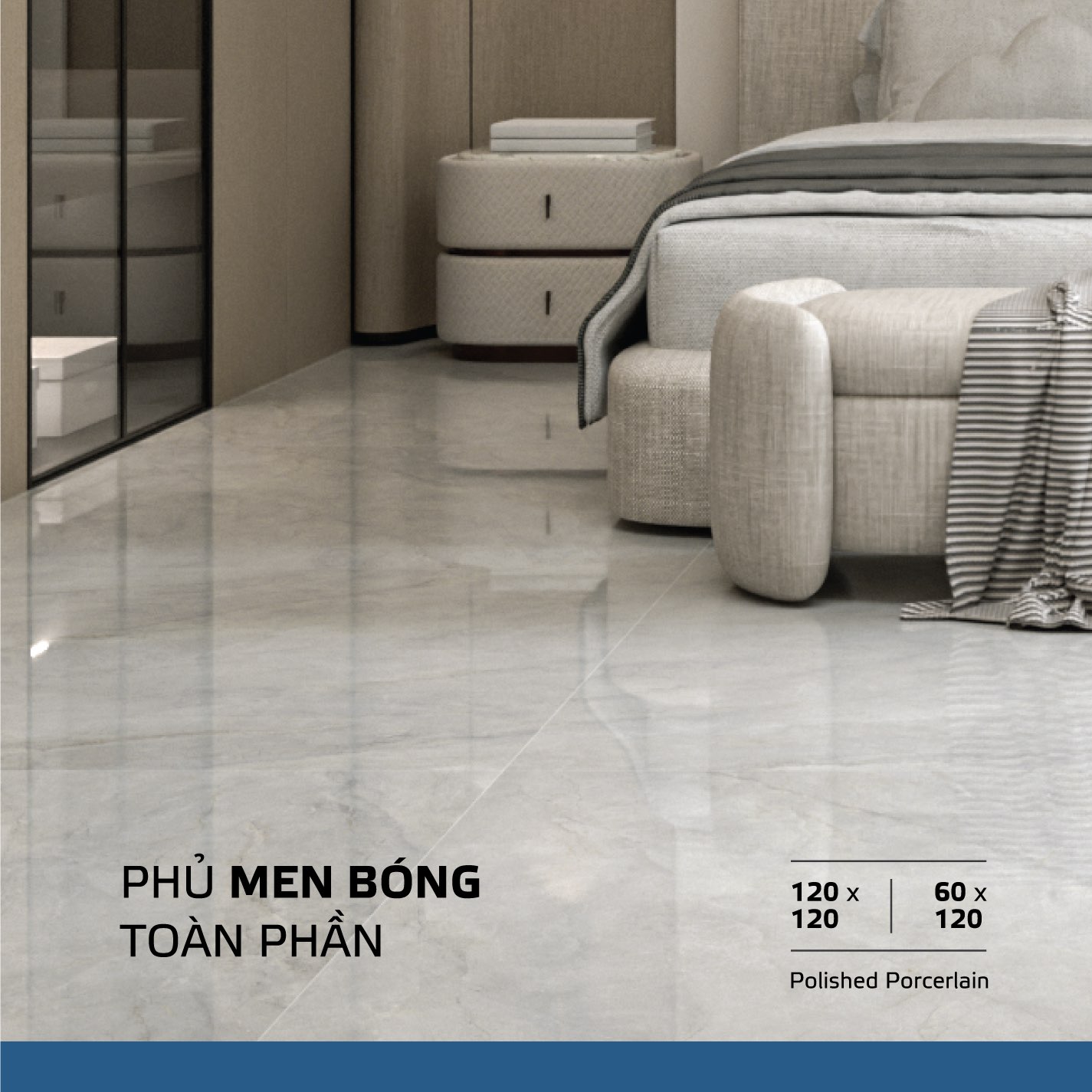
The 120 × 120 cm tiles support a more seamless look, with fewer grout lines for a refined, contemporary effect. Their fully glazed polished surface and high flatness make them suitable for spaces with demanding aesthetic requirements, such as entrance halls, shopping centers, hotels and premium homes.
Meanwhile, the 60 × 120 cm wood-look tiles offer a fresh approach to wood-effect materials. Their larger format reduces grout lines and provides greater flexibility, allowing them to be used on both floors and walls. Carving surface technology combined with a protective glaze recreates the natural look of wood while helping the tiles retain their color and withstand long-term use.
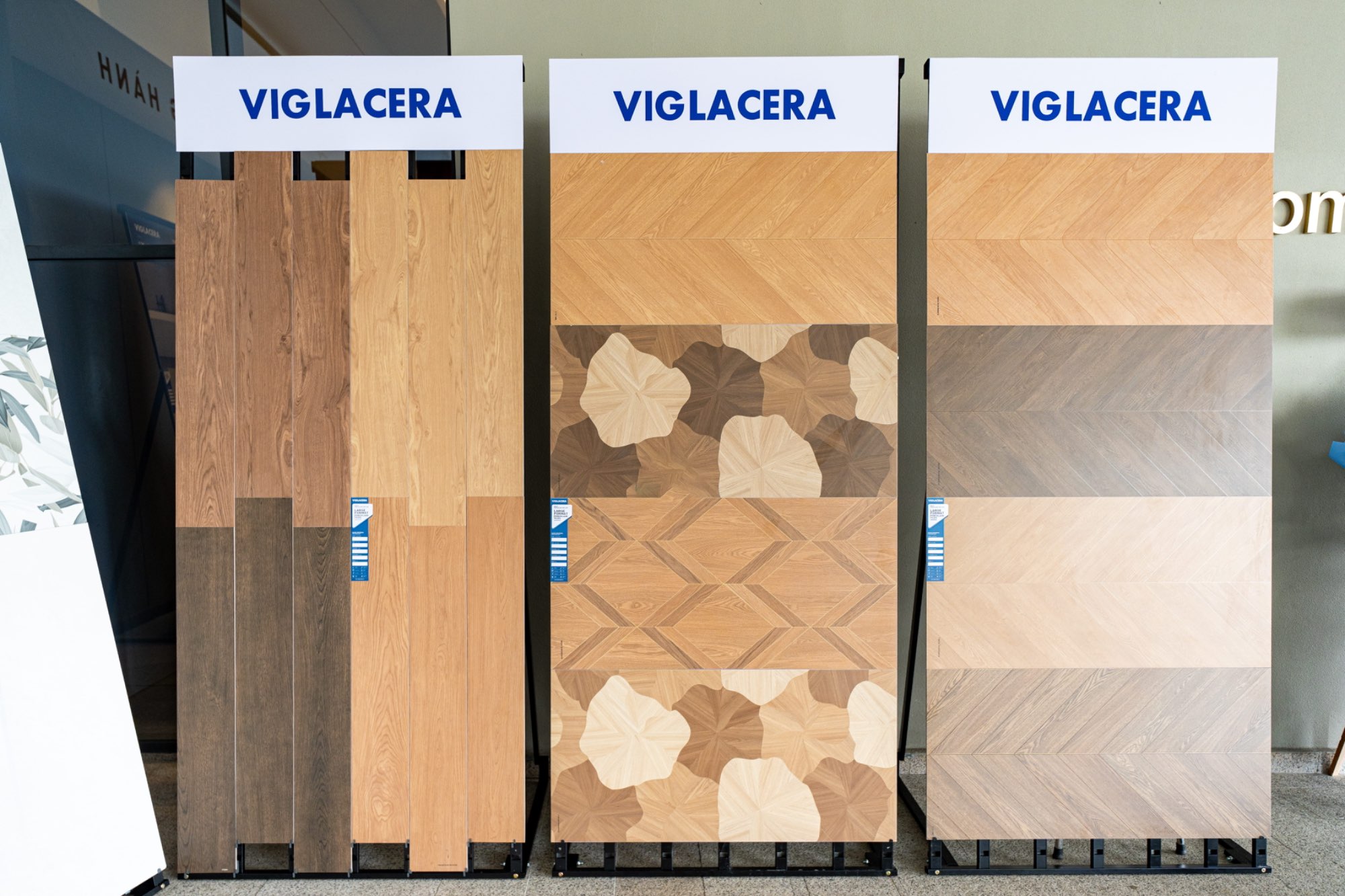
Behind these products is Viglacera Tien Son’s considered investment in technology, research and product development. With a diverse materials portfolio—including ceramic, porcelain and granite tiles, sintered stone, large-format tiles, wood-look tiles and roof tiles—the company is steadily developing integrated material solutions to meet the market’s growing expectations.
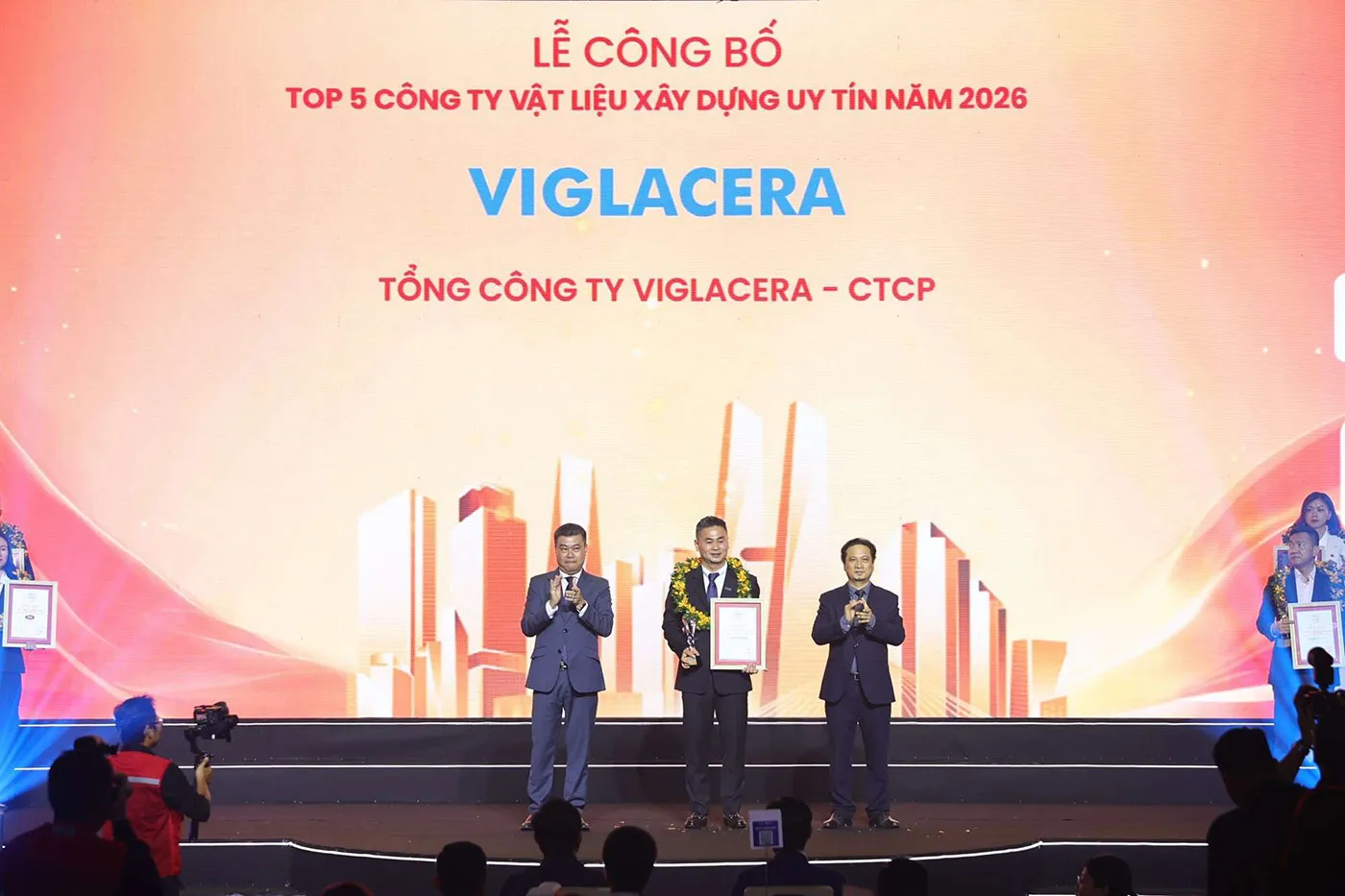
Viglacera materials are used not only in millions of residential projects nationwide, but also in public buildings, hotels, resorts, shopping centers and large-scale developments. Many product lines have also earned international certifications for safety and environmental performance, in line with the growing focus on green buildings and sustainable development.
As competition in the tile industry increasingly centers on technology and innovation, the arrival of Viglacera Tien Son’s 120 × 120 cm large-format tiles and 60 × 120 cm wood-look tiles marks a step forward for the company and reflects a wider shift in Vietnam’s building materials industry—from production at scale toward growth driven by technological value.
Ultimately, a tile’s lasting value comes not only from its surface appearance, but also from the technology behind it, the company’s research capabilities and a commitment to quality proven over time and in real projects.